“Do you want to lose weight on the scale, or look slimmer in the mirror?”
This is probably one of the most important questions to ask before considering liposuction. Many people still think of liposuction as a weight loss surgery. In reality, liposuction is not designed to help a person lose a large amount of weight. It is a body contouring procedure that aims to reduce localized fat deposits and improve the overall shape of specific body areas.
In other words, liposuction is not mainly about the number you see on the scale. In fact, after liposuction, the scale may not change as dramatically as some people expect. The real difference is usually seen in body proportions, silhouette, clothing fit, and regional contour.
So, what does this mean in practical terms?
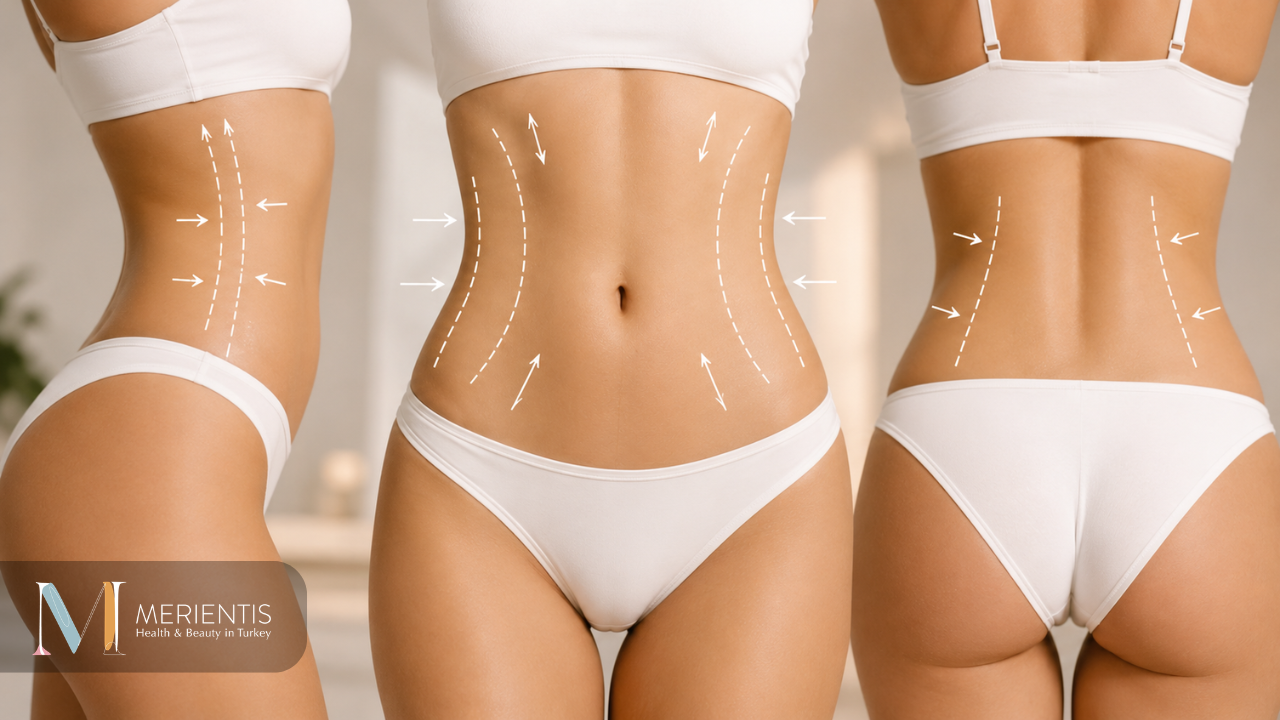
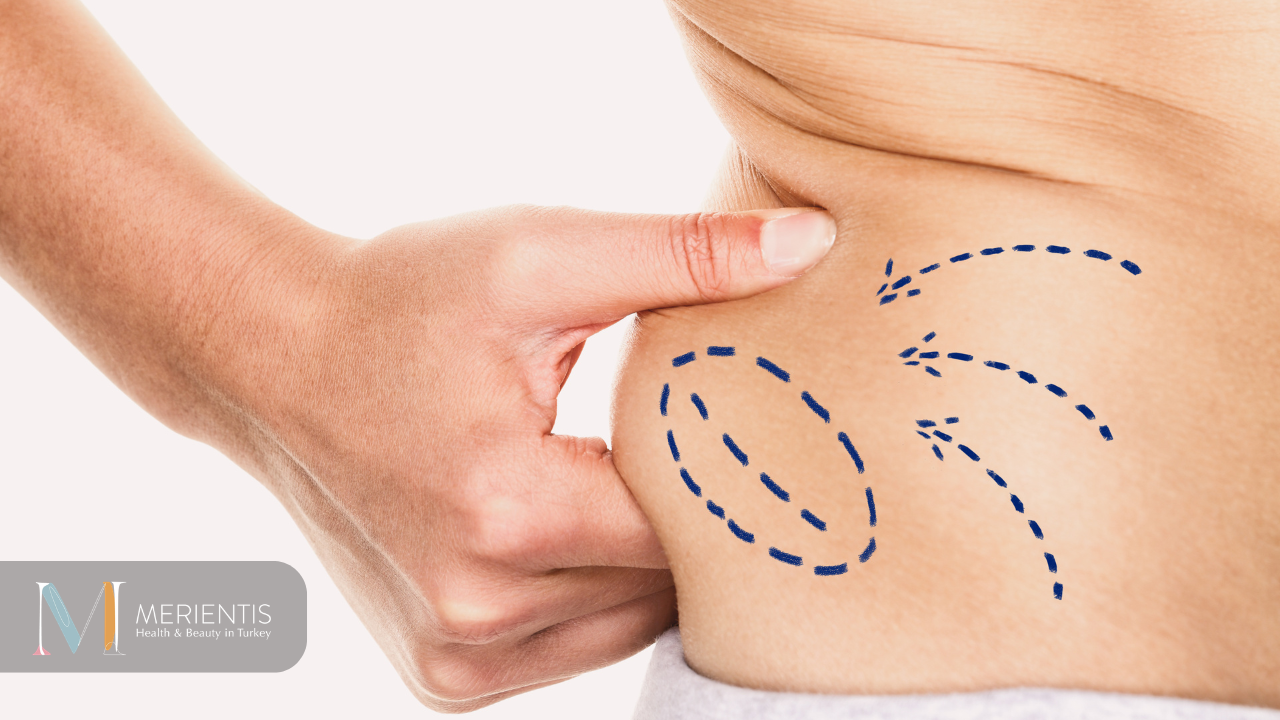
A person may already be close to their ideal weight, maintain a stable lifestyle, exercise regularly, and still have stubborn fat in certain areas. The abdomen, waist, flanks, back, thighs, arms, chin, or male chest area may hold fat that does not respond easily to diet and exercise. Liposuction may be considered in suitable patients to address these localized fat deposits and support a more balanced body contour.
At Merientis Health in Istanbul, Turkey, liposuction evaluation should not begin with the question “How many kilos will I lose?” A more realistic question is: “Which areas of my body may be suitable for contouring, and are my expectations medically appropriate?”
What Is Liposuction?
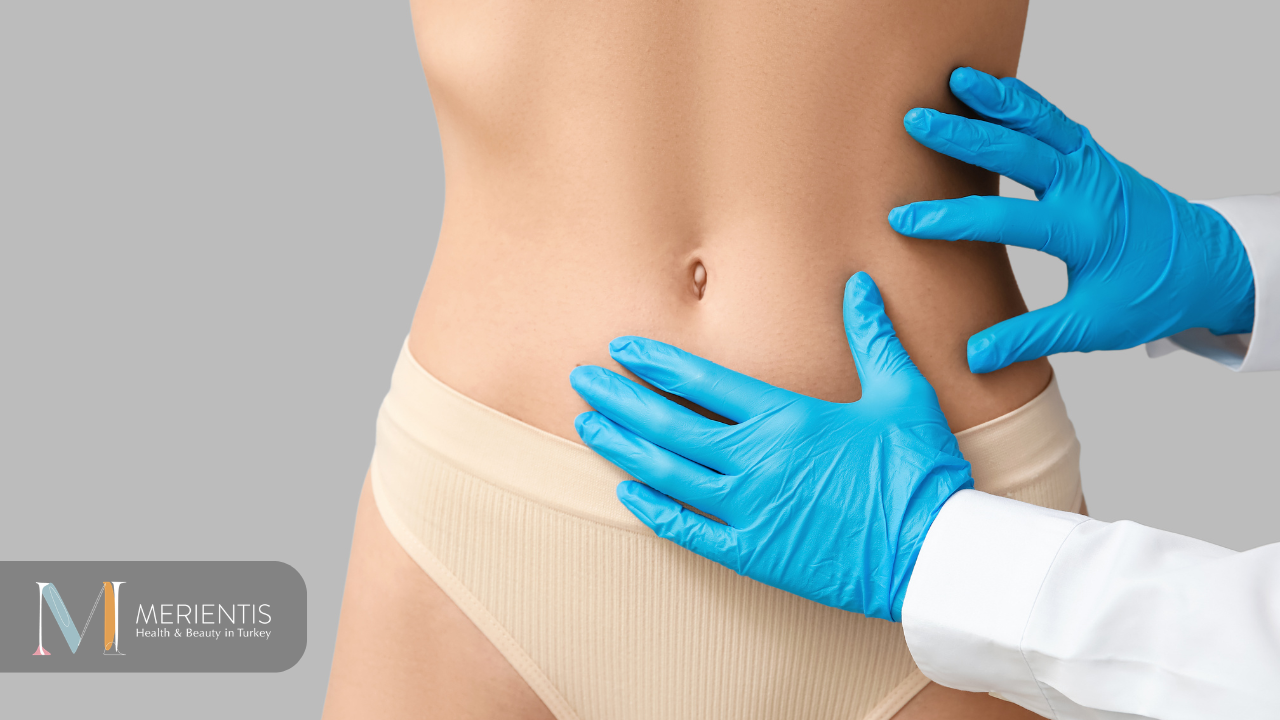
Liposuction is a surgical body contouring procedure that aims to reduce fat tissue from specific areas of the body. It is commonly known as fat removal surgery. However, this common name can sometimes create misunderstanding.
Liposuction does not remove all excess weight from the body. It does not replace diet, exercise, metabolic health management, or weight loss treatment. Instead, it focuses on localized fat deposits that affect body shape.
Commonly evaluated areas may include the abdomen, waist, flanks, back, inner thighs, outer thighs, arms, knees, chin, and male chest area. The suitable treatment area depends on the patient’s anatomy, skin quality, fat distribution, general health, and expectations.
The goal is not to force every person into the same body shape. A more accurate way to describe liposuction is this: it is a procedure that may help improve body contour within the person’s natural proportions.
Why Liposuction Is Not a Weight Loss Method
Liposuction is not a weight loss method because it does not create metabolic weight loss. Losing weight is related to calorie balance, nutrition, physical activity, hormones, sleep, stress, metabolism, and long-term lifestyle habits.
Liposuction does not replace these factors. A person cannot use liposuction as an alternative to healthy eating, regular movement, or medical weight management when needed.
This is where the difference between the scale and the mirror becomes important. When you lose weight, the scale may go down. But your body shape may not change exactly the way you want. Some areas may slim down quickly, while others remain resistant.
Liposuction is more about the mirror than the scale. It focuses on contour: the waistline, lower abdomen, flanks, back folds, thigh shape, arm definition, or chin profile. That is why the right expectation is not “I will lose a lot of weight,” but “My body proportions may look more balanced in selected areas.”
Losing Weight vs. Looking More Contoured
Many people expect weight loss to happen evenly across the body. But the body does not always work that way. One person may lose weight first from the face, while another may lose it from the legs. Some people struggle with abdominal fat even after diet and exercise. Others may be close to their target weight but still feel that their waist, hips, or lower belly do not reflect their effort.
This happens because fat distribution is influenced by genetics, hormones, age, sex, lifestyle, and body composition. It is common to see people who are disciplined with exercise but still have resistant fat in specific areas.
Liposuction deals with this regional resistance. But it is important to be clear: it does not treat general weight gain. It does not treat obesity. It does not replace healthy habits.
So instead of asking, “How much weight will I lose with liposuction?” a better question would be, “Which areas of my body can realistically be improved through contouring?”
That shift in mindset makes a big difference.
Who May Be a Suitable Candidate for Liposuction?
Liposuction may be considered for people who are in suitable general health, have localized fat deposits, maintain a relatively stable weight, and have realistic expectations. It is not suitable for everyone.
A suitable candidate is often someone who is not looking for major weight loss but wants to address stubborn fat in specific areas. Skin elasticity is also an important factor. If the skin has good elasticity, it may adapt better after fat reduction. If the skin is loose or stretched, liposuction alone may not provide the expected contour.
Stable weight is another key point. If a person gains or loses a significant amount of weight after liposuction, the body contour may change. Liposuction can shape selected areas, but it cannot protect a person from future weight fluctuations.
At Merientis Health in Istanbul, Turkey, liposuction planning should include more than body weight. Fat distribution, skin quality, body proportions, previous weight changes, lifestyle, and expectations should all be evaluated together.
Who May Not Be Suitable for Liposuction?
Liposuction is not an obesity treatment. People whose main goal is significant weight loss may need nutritional support, lifestyle changes, medical evaluation, or other treatment approaches before considering body contouring surgery.
It may also not be suitable for patients with certain medical conditions, uncontrolled health risks, or factors that may affect safe surgery and healing. Smoking, poor skin quality, unrealistic expectations, and inability to follow postoperative instructions may also influence suitability.
Another important issue is expectation. If someone expects liposuction to completely transform their entire body, replace exercise, remove all cellulite, tighten loose skin, or guarantee permanent slimness, the expectation may not match the purpose of the procedure.
Liposuction can be meaningful when performed for the right person, for the right reason, and with the right plan. But when the expectation is wrong, even a technically well-planned procedure may feel disappointing to the patient.
Which Areas Can Be Treated with Liposuction?
Liposuction can be considered for several body areas depending on the patient’s anatomy and goals. The most commonly researched areas include the abdomen, waist, flanks, back, arms, thighs, knees, chin, and male chest.
The abdomen is one of the most common areas. Many people complain about lower belly fat that does not respond easily to diet or exercise. However, the abdomen must be evaluated carefully. If the main issue is loose skin, muscle separation, or significant sagging, liposuction alone may not be enough.
The waist and flanks are also commonly treated areas. Fat deposits in this region can affect the overall silhouette and clothing fit. In suitable patients, liposuction may help create a more balanced transition between the waist and hips.
The chin area may also be evaluated when localized fat affects the jawline and neck profile. However, if skin laxity is significant, fat reduction alone may not create the desired result.
This is why each body area must be assessed individually. The same procedure does not create the same result in every person.
Is Liposuction the Same as a Tummy Tuck?
No, liposuction and tummy tuck surgery are not the same procedure. They are often confused, but they address different concerns.
Liposuction focuses on reducing fat tissue. A tummy tuck, also known as abdominoplasty, addresses excess skin, abdominal looseness, and in some cases abdominal wall issues. It may be considered especially in people who have loose skin after pregnancy or major weight changes.
For example, if someone has localized abdominal fat and good skin elasticity, liposuction may be evaluated. But if there is significant loose skin, stretch-related laxity, or abdominal muscle separation, a tummy tuck may be discussed instead.
Sometimes what looks like “fat” from the outside is actually a combination of fat, loose skin, and muscle weakness. That is why self-diagnosis can be misleading.
The right procedure should be chosen after medical evaluation, not based only on online photos or social media results.
What Should You Expect on the Scale After Liposuction?
It is not realistic to expect dramatic weight loss on the scale after liposuction. The amount of fat removed depends on the area, body structure, safety limits, and surgical plan. But the main goal is not to lower body weight.
Some patients may even feel swollen in the early period after surgery. Temporary swelling can make the body feel fuller before the final contour becomes visible. This is part of the healing process.
The real change is usually noticed in body shape, regional contour, clothing fit, and silhouette. These changes become clearer as swelling decreases and tissues settle.
That is why liposuction results should not be judged only by the scale. The mirror, body proportions, and healing timeline all matter.
When Does the Result Become Visible?
Liposuction results do not appear immediately. In the early period, swelling, bruising, sensitivity, firmness, and temporary irregularity may occur. The body needs time to heal and adapt.
As swelling gradually decreases, the contour begins to appear more clearly. Some patients may notice changes earlier, while others may need more time. The healing timeline depends on the treated area, amount of fat removed, skin quality, tissue response, and postoperative care.
Large treatment areas may take longer to settle. This is why early judgment can be misleading. Looking for a final result too soon may cause unnecessary stress.
Like many plastic surgery procedures, liposuction requires patience. The surgery creates the foundation, but the final contour develops gradually through the healing process.
Why Is Compression Garment Use Important?
After liposuction, compression garments may be recommended as part of the recovery process. They can help support the treated areas, assist with swelling control, and guide the tissues as they heal.
However, compression garment use should be personalized. The type of garment, duration of use, and wearing schedule should be determined by the surgeon based on the procedure and patient’s needs.
Some patients want to stop wearing the garment too early. Others think that tighter is always better. Neither approach is necessarily correct. Excessive pressure or improper use may create discomfort or other issues.
Postoperative care should always follow medical guidance. Liposuction recovery is not the right time for self-directed experiments.
Can Fat Come Back After Liposuction?
This is one of the most common questions: “Can fat return after liposuction?”
Liposuction reduces fat cells in the treated area. However, it does not prevent future weight gain. If a person gains weight after surgery, remaining fat cells can enlarge, and fat may also accumulate in other areas.
So, liposuction is not a permanent weight control method. Long-term body shape is influenced by nutrition, physical activity, sleep, stress management, hormones, and lifestyle habits.
This is why liposuction should not be seen as a final solution that removes the need for healthy living. It is better understood as a body contouring procedure that may support selected areas when the person is already maintaining a stable lifestyle.
The result can be better preserved when the patient continues healthy habits after surgery.
Does Liposuction Treat Cellulite?
Liposuction is not a cellulite treatment. Cellulite is related to the interaction between fat tissue, connective tissue, circulation, hormones, skin quality, and genetics. It is more complex than simple fat accumulation.
Liposuction may improve body contour in suitable patients, but it does not guarantee smoother skin or complete cellulite removal. In some cases, if skin quality is poor, surface irregularities may become more noticeable.
This is why skin quality and cellulite appearance should be discussed before surgery. If the patient’s main concern is skin texture, liposuction may not fully address that expectation.
Clear communication before surgery helps prevent misunderstanding. Liposuction should be used for what it is designed to do: contouring selected fat deposits.
Does Liposuction Tighten Loose Skin?
Liposuction does not directly tighten loose skin. It reduces fat volume. After fat reduction, the skin may retract to some degree depending on its elasticity.
Younger skin with good elasticity may adapt better. Skin that has been stretched after pregnancy, major weight loss, aging, or repeated weight changes may not retract as well. In these cases, removing fat alone can sometimes make looseness more visible.
This is why skin quality is one of the most important parts of preoperative evaluation. If the main issue is loose skin rather than fat, other surgical options may be more appropriate.
At Merientis Health in Istanbul, Turkey, this distinction is important in body contouring planning. Choosing the right procedure matters more than choosing the most popular procedure.
Can Men Have Liposuction?
Yes, liposuction can be considered for men as well. Commonly evaluated areas in men include the abdomen, waist, flanks, back, chest, and chin.
In male patients, planning should respect masculine body proportions. The goal is usually not an overly thin appearance, but a more balanced and structured contour suitable for the individual’s body type.
For the male chest area, careful evaluation is needed. Chest fullness may be related to fat tissue, glandular tissue, skin quality, or a combination of these. If gynecomastia is suspected, the plan may be different from standard fat removal alone.
As with women, liposuction in men is not a weight loss method. It may be considered for body contouring in suitable patients with localized fat deposits.
Liposuction and Healthy Lifestyle
Liposuction does not replace a healthy lifestyle. This point should be very clear. Nutrition, physical activity, sleep, and weight stability remain important after the procedure.
Some people mistakenly think, “After liposuction, I can eat anything and will not gain weight.” This is not true. The body can still gain weight. Fat distribution may change. The contour achieved after surgery may be affected by lifestyle habits.
A healthier way to think about liposuction is this: diet and exercise manage the body globally; liposuction may help contour specific areas in suitable candidates.
The best long-term approach combines realistic surgical planning with sustainable lifestyle habits.
Why Is Liposuction Frequently Researched in Istanbul, Turkey?
Istanbul, Turkey is one of the most researched locations for plastic surgery and medical tourism. Liposuction is among the commonly searched body contouring procedures in Istanbul.
One reason is that many people are no longer interested only in losing weight. They also want better body proportions, a more balanced silhouette, and more refined regional contours. Areas such as the abdomen, waist, flanks, back, and chin are frequently discussed.
However, researching liposuction in Istanbul should not be limited to before-after photos or general procedure names. The clinic’s approach, patient evaluation, surgical planning, recovery process, and expectation management are also important.
Merientis Health in Istanbul, Turkey focuses on patient education and individualized planning in plastic surgery. In liposuction, the aim should be to evaluate the patient according to anatomy, fat distribution, skin quality, and realistic contour goals — not only according to body weight.
What Questions Should Be Asked Before Liposuction?
Before liposuction, the most useful question is not “How many kilos will I lose?” That question often creates the wrong expectation.
More helpful questions include:
Am I a suitable candidate for liposuction?
Is my concern caused by fat, loose skin, or muscle laxity?
Is my skin elasticity suitable for fat reduction?
Which body areas can realistically be improved?
What should I expect during recovery?
How can I maintain the result after surgery?
These questions help the patient understand the procedure more clearly. They also help the surgeon evaluate whether liposuction is the right option.
Liposuction is personal. A result seen online should not be used as an exact target. The plan should be created according to the patient’s own body structure.
Managing Expectations After Liposuction
Body contouring procedures are not only physical. They can also be emotional. Many people feel uncomfortable with certain body areas for years. They may notice that area in photos, clothing, or the mirror more than anything else.
After liposuction, patients naturally want to see change quickly. But swelling, bruising, firmness, and temporary unevenness can occur during early recovery. This can be discouraging if the patient is not prepared.
Realistic expectations are essential. Liposuction does not create a brand-new body. But in suitable patients, it may help improve localized contour and body balance.
Open communication before surgery is very valuable. When the patient understands the healing stages, the recovery process becomes easier to manage.
What Should Be Considered After Liposuction?
Postoperative care after liposuction depends on the treatment area, surgical plan, and the patient’s individual healing process. The most accurate instructions should always come from the surgeon.
In general, compression garment use, movement guidance, rest, hydration, nutrition, wound care, and follow-up appointments may all be part of the recovery plan. Heavy exercise may need to be avoided in the early period depending on medical guidance.
Patients should not begin massage, creams, devices, or supportive treatments on their own unless recommended by their surgeon. What is appropriate for one patient may not be appropriate for another.
Recovery requires patience. The body needs time to adapt to its new contour. Instead of making quick judgments, it is healthier to follow the process with medical guidance.
Common Misconceptions About Liposuction
One of the most common misconceptions is that liposuction is a weight loss method. This can lead to disappointment because the procedure is more about shape than weight.
Another misconception is that fat can never return after liposuction. While fat cells are reduced in the treated area, weight gain can still occur if lifestyle habits are not maintained.
A third misconception is that liposuction tightens loose skin. In reality, skin response depends on elasticity. If there is significant loose skin, liposuction alone may not be enough.
Another mistaken belief is that everyone can get the same result. Body structure, fat distribution, skin quality, healing response, and lifestyle habits differ from person to person.
That is why liposuction should always be planned individually.
Conclusion: Liposuction Changes Contour, Not the Meaning of Weight Control
Liposuction is not a weight loss method. It is a surgical body contouring procedure that may reduce localized fat deposits in suitable patients and help improve regional body shape. If the main goal is to see a major drop on the scale, liposuction may not match that expectation.
“Do you want to lose weight on the scale, or look slimmer in the mirror?” This question summarizes the real purpose of liposuction. The procedure is more closely related to body proportions, silhouette, and contour than total body weight.
At Merientis Health in Istanbul, Turkey, liposuction evaluation should focus on the individual’s anatomy, skin quality, fat distribution, health status, and realistic goals. The aim is not to create a standard body type, but to develop a medically appropriate and personalized plan.
If you are considering liposuction, the first step should not be asking “How many kilos will I lose?” A better starting point is: “Which areas of my body can be realistically evaluated for contouring?”
Correct information, realistic expectations, and individualized planning are the foundation of a healthier liposuction decision.
Frequently Asked Questions
Does liposuction help with weight loss?
Liposuction is not primarily a weight loss method. It is designed to reduce localized fat deposits and improve body contour in suitable patients. A major change on the scale should not be expected.
Is liposuction an obesity treatment?
No. Liposuction is not an obesity treatment. People whose main goal is significant weight loss may need nutritional, lifestyle, medical, or other treatment approaches before considering body contouring.
Who is a suitable candidate for liposuction?
A suitable candidate may be someone with stable weight, localized fat deposits, good general health, adequate skin elasticity, and realistic expectations. Suitability should always be determined by medical evaluation.
Can fat come back after liposuction?
Fat cells are reduced in the treated area, but future weight gain is still possible. Remaining fat cells can enlarge, and fat can accumulate in other body areas if healthy habits are not maintained.
Does liposuction remove cellulite?
Liposuction is not a cellulite treatment. It may improve contour in selected areas, but it does not guarantee smoother skin or complete cellulite reduction.
Does liposuction tighten loose skin?
Liposuction does not directly tighten loose skin. Skin adaptation depends on elasticity. If there is significant sagging or loose skin, other surgical options may need to be discussed.
Is liposuction the same as a tummy tuck?
No. Liposuction reduces fat tissue, while a tummy tuck addresses excess skin, looseness, and sometimes abdominal wall concerns. The right option depends on the patient’s anatomy.
When will liposuction results be visible?
Results appear gradually as swelling decreases and tissues settle. The timeline varies depending on the treated area, skin quality, healing response, and postoperative care.
Can men have liposuction?
Yes. Liposuction can be considered for men in suitable cases. Common areas include the abdomen, waist, flanks, back, chest, and chin.
Why is liposuction popular in Istanbul, Turkey?
Istanbul, Turkey is widely researched for plastic surgery and medical tourism. Liposuction is commonly searched by patients interested in body contouring and localized fat reduction.