Breast Reduction Surgery and Back Pain: When the Weight on Your Shoulders Is Physical
“The weight on your shoulders may not only be emotional. It may also be physical.”
For many women, large breasts are not simply an appearance-related concern. They can affect how the body feels at the end of the day, how comfortably someone can exercise, how clothing fits, how easily posture can be maintained and, in some cases, how persistent back, neck or shoulder discomfort is experienced.
A woman may find herself constantly adjusting her bra straps, avoiding certain outfits, placing a hand under her chest while walking downstairs, or feeling uncomfortable after standing for a long time. She may wake with tension in her shoulders, notice deep marks from bra straps or feel that even an ordinary day requires more physical effort than it should.
These experiences are sometimes dismissed as something a person should simply tolerate. Yet when breast size is associated with physical discomfort and functional limitations, the issue deserves a thoughtful medical evaluation.
Breast reduction surgery, medically known as reduction mammoplasty, is not only about changing breast size. In appropriately selected patients, it may be planned to reduce excess breast tissue, improve breast proportion and help address symptoms associated with heavy breasts.
At Merientis Health in Istanbul, Turkey, breast reduction surgery should be approached with an understanding of both appearance and comfort. The aim is not to promise a particular feeling or a perfect outcome, but to assess the person’s anatomy, symptoms, lifestyle, expectations and general health in a medically responsible way.
What Is Breast Reduction Surgery?
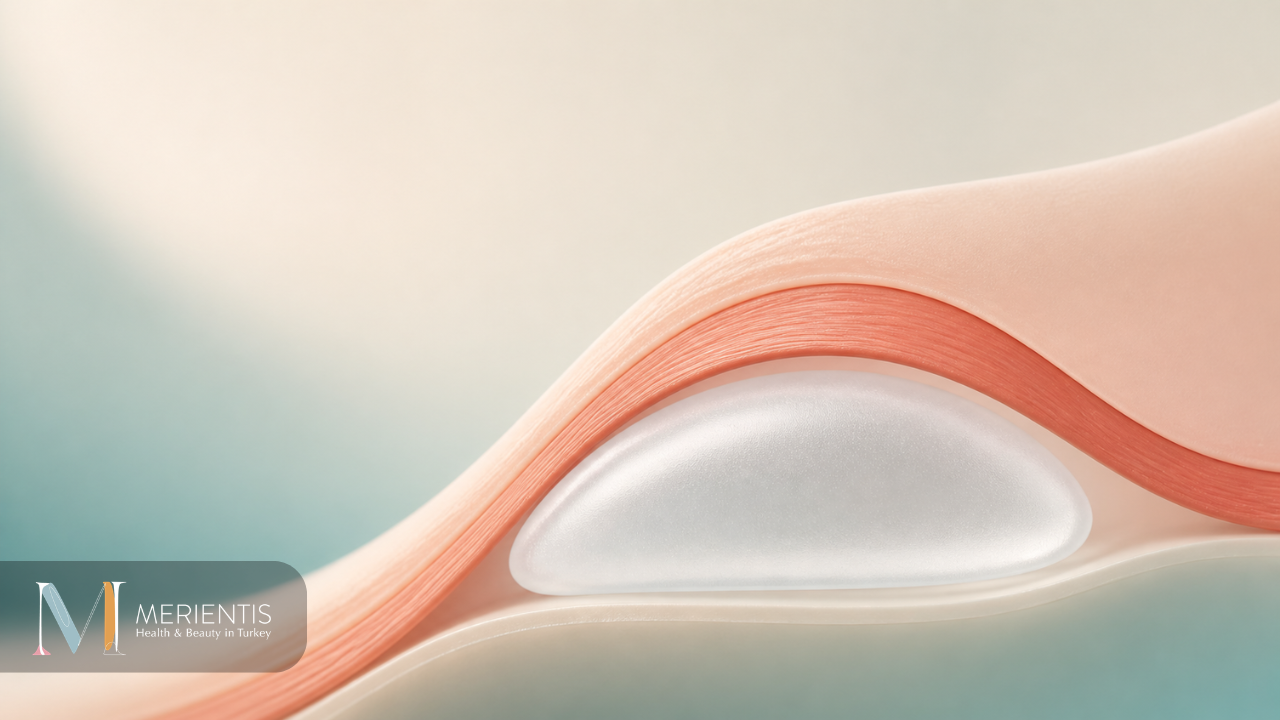
Breast reduction surgery is a surgical procedure performed to reduce the size and weight of the breasts by removing a planned amount of breast tissue, fat and skin. The remaining breast tissue is reshaped, and the nipple-areola area may be repositioned according to the individual surgical plan.
The procedure may be considered by women who feel that their breast size is disproportionate to their body or who experience physical symptoms that may be associated with breast heaviness. These symptoms can include upper back pain, neck discomfort, shoulder pressure, bra strap grooves, difficulty with physical activity and irritation beneath the breast fold.
Breast reduction is not the same as simply making the breasts smaller for appearance alone. In some patients, the motivation is deeply connected to daily comfort. They may wish to stand more comfortably, move more freely or reduce the constant physical strain they associate with breast weight.
Every breast reduction plan is individual. Breast size, chest width, skin quality, breast position, asymmetry, nipple position, general health, previous pregnancies, future pregnancy plans and personal expectations all influence surgical planning.
Can Large Breasts Really Contribute to Back Pain?
Large breasts can be associated with discomfort in the upper back, neck and shoulders, especially when their weight creates continuous forward load on the chest and upper body. This does not mean that every case of back pain is caused by breast size. Back pain can have many causes, including posture, spinal conditions, muscular imbalance, sedentary habits, stress and previous injuries.
However, for some women, breast heaviness becomes a meaningful part of the problem.
Imagine holding a moderate weight in front of your body for several hours each day. Even if the weight seems manageable at first, the muscles of the shoulders, neck and upper back may gradually feel fatigued. Large breasts can create a similar mechanical burden, particularly when the body continuously compensates by rounding the shoulders or adjusting posture.
Some women notice discomfort after standing, walking or working at a desk for long periods. Others experience tightness between the shoulder blades, a pulling sensation in the neck or pressure caused by bra straps. In certain patients, these symptoms may influence exercise, sleep comfort, work and everyday confidence.
A detailed medical assessment is important because the relationship between breast size and pain is personal. Breast reduction may be considered when symptoms, physical examination and patient expectations indicate that reducing breast volume could be appropriate.
Why Can Heavy Breasts Affect the Neck and Shoulders?
The upper body works as a connected system. The breasts rest on the front of the chest, while the muscles of the back, neck and shoulders help maintain balance and posture. When breast volume and weight are substantial, some women may feel that their shoulders are constantly being pulled forward.
This can be associated with a rounded shoulder posture or a tendency to lean forward. The neck and upper back muscles may then work harder to maintain alignment, particularly during long periods of sitting, standing or walking.
Shoulder discomfort can also arise from bra straps carrying a significant amount of weight. Deep shoulder grooves are not simply cosmetic marks. For some women, they are a sign that supportive garments are carrying a load that feels uncomfortable during daily life.
There may also be practical limitations. A woman may avoid running, jumping, certain gym exercises or long walks because breast movement or weight causes discomfort. Even finding a supportive bra that feels comfortable for an entire day can become frustrating.
These concerns are not superficial. For someone living with them every day, they can affect comfort, movement and overall quality of life.
Back Pain Has More Than One Cause
It is important to be honest: breast reduction surgery is not a general cure for all back pain. Pain in the neck, shoulders or back may come from multiple sources, including disc problems, scoliosis, arthritis, muscular weakness, prolonged computer use, spinal posture, fibromyalgia or other medical conditions.
That is why an appropriate evaluation matters before considering surgery.
A patient who experiences back pain should describe when it occurs, where it is located, whether it worsens with activity, whether shoulder strap grooves or skin irritation are present and whether breast size restricts movement or daily tasks. Previous treatment attempts, weight changes and existing musculoskeletal diagnoses may also be relevant.
For some patients, breast heaviness may be a major contributing factor. For others, breast reduction may not address the primary cause of discomfort. A thoughtful consultation helps distinguish between these situations.
At Merientis Health in Istanbul, Turkey, the discussion should focus on the individual patient rather than making broad promises. A responsible plan begins with understanding the symptoms, the body and the person’s expectations.
What Symptoms May Be Associated with Excessively Large Breasts?
Women considering breast reduction often describe more than one concern. The experience is rarely limited to breast size alone.
Common complaints may include:
- Persistent upper back, neck or shoulder discomfort
- Deep grooves from bra straps
- Skin irritation, redness or moisture beneath the breasts
- Difficulty finding supportive bras or clothing
- Discomfort during exercise or physical activity
- A tendency to adopt a forward-leaning posture
- Feeling physically restricted in everyday movement
- Breast heaviness that becomes more noticeable by the end of the day
- Difficulty sleeping comfortably in certain positions
- Self-consciousness related to breast proportion
Not every patient will experience all of these symptoms. Some women are most affected by pain; others by mobility, clothing, skin irritation or the feeling that their breasts do not fit comfortably with their body frame.
The presence of symptoms should be evaluated individually. Surgery is a personal medical decision, not a standard solution based only on breast size.
Breast Reduction Is Not Only an Aesthetic Decision
People sometimes assume that breast reduction is performed only for appearance. For many women, however, the decision is linked to physical comfort, freedom of movement and the wish to participate in daily activities with less restriction.
A woman may want to exercise without needing multiple layers of support. She may want to sit through a workday without constant shoulder pressure. She may want to buy clothing without planning every outfit around breast size. She may simply want her body to feel lighter and more proportionate.
These wishes are personal and valid. Still, breast reduction remains a surgical procedure. The decision should be made after a careful medical evaluation, understanding both potential benefits and possible risks.
At Merientis Health in Istanbul, Turkey, breast reduction planning can involve both functional and aesthetic considerations. Breast proportion, symmetry, comfort, scarring, recovery, nipple sensation, possible effects on breastfeeding and personal priorities should all be discussed clearly before surgery.
What Does Breast Reduction Aim to Change?
Breast reduction surgery aims to decrease excessive breast volume and weight while reshaping the remaining breast tissue in harmony with the person’s chest and body proportions. It may also include repositioning the nipple-areola complex depending on the breast structure and surgical plan.
From a functional perspective, reducing heavy breast tissue may decrease the physical load that some patients feel across the neck, shoulders and upper back. Some women may also find physical activity, clothing choice and daily movement more comfortable after recovery.
From an aesthetic perspective, the aim may be to create breasts that appear more proportionate to the body. However, there is no single ideal breast size or shape that suits everyone. The appropriate plan depends on the patient’s anatomy, preferences and surgical safety.
An important point is that breast reduction cannot guarantee the complete disappearance of back or shoulder pain. If symptoms are caused by multiple factors, some discomfort may persist. The aim is to evaluate whether breast heaviness is contributing meaningfully and whether surgery is an appropriate option for that patient.
Why Do Some Women Describe a Feeling of Lightness After Surgery?
Many women who have lived with heavy breasts for years describe their bodies in terms of burden: weight, pressure, pulling, tightness or restriction. Their experience is often not limited to how they look, but how they carry themselves throughout the day.
When breast weight is reduced, some appropriately assessed patients may notice less pressure on the shoulders or a different sense of balance in the upper body after healing. They may feel more comfortable standing, walking, exercising or wearing clothing.
However, this experience varies. Recovery includes swelling, wound care, sensitivity and a period of physical limitation. The early postoperative period is not only about immediate comfort; the body needs time to heal.
For this reason, phrases such as “instant relief” or “guaranteed lightness” should be avoided. Surgery may help selected patients with breast-related symptoms, but individual outcomes depend on anatomy, symptoms, healing, lifestyle and other health factors.
Who May Consider Breast Reduction Surgery?
Breast reduction may be considered by women whose large breasts cause physical discomfort, restrict activities or feel disproportionate to their body. Suitable candidates generally need a careful health assessment and realistic expectations about surgery and recovery.
A woman may wish to discuss breast reduction if she experiences chronic shoulder, neck or back discomfort that she associates with breast heaviness. Deep bra strap grooves, repeated irritation beneath the breasts, difficulty exercising or challenges with everyday clothing can also be relevant concerns.
General health is important. Smoking status, chronic illnesses, medications, weight stability, skin quality and healing capacity may influence surgical planning and risk evaluation. Future pregnancy and breastfeeding expectations may also be part of the discussion.
The decision is not based on a single measurement or a comparison with another person. Someone with a certain breast size may experience significant symptoms, while another person with a similar appearance may not. The patient’s symptoms and individual anatomy are central.
Is Breast Reduction Suitable for Someone Who Wants to Lose Weight?
Breast reduction is not a weight loss operation. Although breast tissue is removed during surgery, the aim is not to manage general body weight or replace healthy lifestyle changes.
If a patient is planning significant weight loss, it may be helpful to discuss timing with the surgeon. Major weight changes after surgery can affect breast size, shape and skin quality. Weight stability may be important for planning a more predictable breast contour.
Some women may find that losing weight reduces breast volume to a degree. Others may continue to have large, heavy breasts even after their weight becomes stable. This is another reason why evaluation needs to be individual.
Breast reduction and weight management are related in some cases, but they are not the same thing. The procedure should be planned around symptoms, anatomy, health and realistic goals.
What Happens During Breast Reduction Surgery?
During breast reduction surgery, a planned amount of breast tissue, fat and skin is removed. The remaining breast is reshaped, and the nipple-areola complex may be repositioned to suit the new breast form.
The exact surgical technique can vary depending on breast volume, breast sagging, nipple position, skin elasticity, asymmetry and the surgeon’s assessment. The incision pattern may also vary. Scars are an expected part of breast reduction surgery, although their appearance can change over time as healing progresses.
Surgery is generally planned under anaesthesia in an appropriate surgical setting. The duration of the procedure, hospital process and postoperative recommendations depend on the patient’s surgical plan and medical condition.
A preoperative consultation should cover the intended reduction, likely scar pattern, possible asymmetry, sensation changes, wound healing, recovery period, activity restrictions and any relevant effects on future breastfeeding.
Will There Be Scars After Breast Reduction?
Yes. Breast reduction surgery involves incisions, and scars are part of the procedure. The position and extent of scars depend on the surgical technique, the amount of tissue reduction and the individual breast structure.
Many patients are willing to accept scars because their main concern is physical discomfort or breast heaviness. Still, this is a personal decision, and it should be discussed openly before surgery.
Scar appearance changes over time. In the early period, scars may appear red, firm or more visible. As healing continues, they may soften and fade to varying degrees. However, scars do not disappear completely.
Factors such as skin type, genetics, smoking, sun exposure, wound healing, tension on the incision and postoperative care can influence scar quality. A responsible consultation should explain this clearly rather than suggesting that scars will become invisible.
Can Breast Reduction Affect Sensation or Breastfeeding?
Breast reduction surgery may affect nipple or breast sensation. Some patients may experience temporary changes, while others may have longer-lasting changes. The degree of risk depends partly on surgical technique, anatomy and healing.
Breastfeeding potential may also be affected by breast reduction surgery. Some women may still be able to breastfeed after surgery, while others may experience reduced ability or may not be able to breastfeed. This is an important topic for anyone considering future pregnancy or breastfeeding.
These issues should be discussed openly before surgery. For a patient who places high importance on future breastfeeding, the surgical plan and timing require careful conversation.
At Merientis Health in Istanbul, Turkey, informed decision-making means discussing not only the desired benefits but also relevant limitations and risks.
What Is Recovery Like After Breast Reduction Surgery?
Recovery after breast reduction varies between patients. During the early period, swelling, bruising, tightness, soreness and sensitivity may occur. The breasts may look higher, firmer or different from the final appearance while healing begins.
Patients may need to limit strenuous exercise, heavy lifting and certain upper body movements during the initial recovery period. A supportive surgical bra may be recommended according to the surgeon’s instructions.
Returning to desk work or daily routines depends on the type of work, the patient’s healing and medical advice. Someone whose job involves lifting, reaching or physical effort may need more time before returning fully.
The final breast contour is not judged in the first days or weeks. Swelling gradually decreases, tissues settle and scars mature over time. Following postoperative instructions and attending control visits are important parts of recovery.
When Can Back and Shoulder Symptoms Be Evaluated After Surgery?
It is natural for a patient who chose breast reduction partly because of physical discomfort to wonder when she may notice a difference. Some changes in the sense of upper body load may be perceived during recovery, but symptom evaluation should be made carefully.
The early period also includes surgical soreness, swelling and temporary movement restrictions. A patient may not be able to judge everyday comfort immediately because she is still healing.
As recovery progresses and normal movement gradually resumes, it becomes easier to understand how the body responds to the reduced breast weight. For some patients, neck, shoulder or back discomfort may improve. For others, additional factors contributing to pain may still need attention.
For example, posture habits, muscle weakness, spine conditions or prolonged desk work may continue to cause symptoms even after breast reduction. This is why surgery should be understood as part of an individual care plan rather than a guaranteed answer to every type of pain.
Can Breast Reduction Improve Exercise Comfort?
Large breasts can make some types of physical activity uncomfortable. Running, jumping, high-impact movement or even brisk walking may feel difficult due to breast weight, movement, bra pressure or skin irritation.
Some women respond by avoiding exercise altogether, not because they lack motivation, but because movement feels physically uncomfortable or embarrassing. This can affect fitness, confidence and general wellbeing.
After appropriate healing, breast reduction may make certain activities feel more manageable for some patients. A more proportionate breast size can potentially make supportive garments easier to use and movement more comfortable.
However, return to exercise must follow medical guidance. The body needs time to heal, and starting strenuous movement too early can affect recovery.
Breast Reduction and Posture: What Should Patients Know?
Large breasts may influence posture in some women, particularly when breast weight encourages the shoulders to roll forward or causes the upper back to work harder during everyday activity. Patients may report that they try to hide their chest by slouching or that standing upright feels tiring.
Breast reduction may reduce a contributing physical load, but posture is influenced by more than breast weight alone. Muscle strength, work habits, screen time, spinal structure, exercise patterns and self-confidence may all play a role.
For this reason, some patients may benefit from posture awareness, appropriate movement and medical guidance after recovery. The surgery changes breast weight and proportion, but the body may still need time to adapt to a different balance.
It is useful to think of this process not as flipping a switch, but as giving the body a new starting point. The way a patient feels and moves may gradually evolve as healing continues.
Breast Reduction After Pregnancy or Major Weight Change
Pregnancy, breastfeeding and major weight changes can affect breast size, volume and skin elasticity. Some women experience persistent breast enlargement or heaviness after pregnancy. Others notice sagging, volume differences or discomfort after weight fluctuations.
Breast reduction may be evaluated in these circumstances, but timing is important. If a patient is planning pregnancy in the near future or is actively breastfeeding, surgery may need to be delayed depending on medical evaluation.
Weight stability also matters. Significant changes in body weight after breast reduction can affect the breast shape and overall result.
A consultation should include discussions about pregnancy plans, breastfeeding history, weight changes and the patient’s priorities. This helps create a plan that is better aligned with her life circumstances.
Why Is Breast Reduction Frequently Researched in Istanbul, Turkey?
Istanbul, Turkey is widely researched for plastic surgery procedures by both local and international patients. Breast reduction is among the procedures women investigate not only for breast proportion, but also for physical symptoms related to breast heaviness.
Patients considering breast reduction in Istanbul may be looking for clear information about surgery, scars, recovery, travel planning, expected limitations and whether their symptoms may be relevant to the procedure. These are important questions, especially for international patients planning treatment away from home.
At Merientis Health in Istanbul, Turkey, breast reduction should be approached through patient education, personalised evaluation and realistic communication. The patient needs to understand the surgical plan, potential benefits, recovery requirements and relevant risks before making a decision.
For patients travelling internationally, planning postoperative follow-up and allowing enough recovery time before travel or returning to work are also important considerations.
What Questions Should You Ask Before Breast Reduction Surgery?
A consultation is the right place to speak openly about both physical symptoms and appearance-related concerns. A patient should feel comfortable describing what she experiences in daily life rather than focusing only on breast size.
Useful questions may include:
- Could my breast size be contributing to my neck, shoulder or back discomfort?
- Is breast reduction appropriate for my anatomy and symptoms?
- What breast proportion may be realistic for my body?
- What type of scars should I expect?
- How might surgery affect nipple sensation?
- Could breast reduction affect future breastfeeding?
- What is the expected recovery period?
- When can I return to work and exercise?
- What are the relevant risks in my case?
- How will postoperative follow-up be organised if I travel to Istanbul, Turkey for surgery?
There is no such thing as an unnecessary question when making an informed surgical decision. The clearer the discussion is before surgery, the more prepared the patient can be for recovery.
How Should Expectations Be Managed?
It is completely understandable to hope for greater physical comfort after years of living with heavy breasts. A patient may imagine standing more easily, moving more comfortably or feeling less pressure across the shoulders. These hopes should be heard respectfully.
At the same time, breast reduction should not be presented as a guarantee of pain relief or an immediate transformation of daily life. Every patient has a different body, different symptoms and a different healing response.
Some people may experience significant improvement in breast-related discomfort after recovery. Others may still have musculoskeletal symptoms related to posture, spinal conditions or other causes.
Realistic expectations do not mean lowering the importance of the patient’s concern. They mean creating a clear, honest foundation for a decision that respects both the benefits and the limitations of surgery.
Conclusion: The Weight May Be Physical, and It Deserves Thoughtful Evaluation
Large breasts are not only an aesthetic concern for every woman. For some, they are associated with ongoing neck, shoulder or back discomfort, bra strap pressure, skin irritation, activity limitations and a daily feeling of physical burden.
Breast reduction surgery may be considered in suitable patients when breast heaviness contributes to these concerns. The procedure aims to reduce excessive breast volume, reshape the breasts in proportion with the body and, in some patients, support greater physical comfort after healing.
At Merientis Health in Istanbul, Turkey, breast reduction surgery should be evaluated individually and responsibly. The patient’s symptoms, anatomy, expectations, health status, future plans, recovery needs and understanding of surgical risks all matter.
“The weight on your shoulders may not only be emotional. It may also be physical.” For someone who has lived with that weight for years, being heard is an important first step. A professional medical evaluation can help determine whether breast reduction is an appropriate option for her particular needs.
Frequently Asked Questions
Can large breasts cause back pain?
Large breasts may contribute to upper back, neck and shoulder discomfort in some women by creating a continuous physical load on the upper body. However, back pain may have several causes, so an individual medical evaluation is important.
Can breast reduction help with back and shoulder discomfort?
In appropriately assessed patients with symptoms related to heavy breasts, breast reduction may help reduce physical discomfort after recovery. Outcomes vary depending on the patient, and surgery cannot guarantee complete relief from pain.
Is breast reduction only a cosmetic procedure?
No. While breast reduction changes breast appearance and proportion, many women consider the procedure because of physical concerns such as neck pain, back discomfort, shoulder strap grooves, skin irritation or difficulty with activity.
Who may be suitable for breast reduction surgery?
Women who experience physical or functional problems associated with large breasts and who are medically suitable for surgery may be evaluated for breast reduction. Suitability depends on anatomy, symptoms, health, expectations and surgical risk assessment.
Will breast reduction leave scars?
Yes. Scars are an expected part of breast reduction surgery. Scar pattern depends on the technique and breast structure. Scars may fade over time but do not disappear completely.
Can breast reduction affect nipple sensation?
Yes. Changes in nipple or breast sensation can occur after breast reduction. Some changes may be temporary, while others may be longer lasting. This risk should be discussed before surgery.
Can I breastfeed after breast reduction surgery?
Breastfeeding ability may be affected by breast reduction. Some women may still breastfeed after surgery, while others may have reduced ability or be unable to do so. Future breastfeeding plans should be discussed during consultation.
How long is recovery after breast reduction?
Recovery varies between patients. Early healing usually involves swelling, sensitivity and temporary activity restrictions. Return to work, exercise and normal routines depends on the surgical plan and the surgeon’s guidance.
Can breast reduction improve posture?
Reducing heavy breast tissue may reduce a factor contributing to postural strain in some patients. However, posture is also influenced by muscles, spinal structure, work habits and movement patterns, so results vary.
Why do international patients research breast reduction in Istanbul, Turkey?
Istanbul, Turkey is frequently researched for plastic surgery procedures, including breast reduction. International patients may seek personalised evaluation, clear planning and information about surgery, recovery and follow-up before deciding on treatment.